Atypical visual attention in individuals with autism spectrum disorders (ASD) has been utilised as a unique diagnosis criterion in previous research. This paper presents a novel approach to the automatic and quantitative screening of ASD as well as symptom severity prediction in preschool children. We develop a novel computational pipeline that extracts learned features from a dynamic visual stimulus to classify ASD children and predict the level of ASD-related symptoms. Experimental results demonstrate promising performance that is superior to using handcrafted features and machine learning algorithms, in terms of evaluation metrics used in diagnostic tests. Using a leave-one-out cross-validation approach, we obtained an accuracy of 94.59%, a sensitivity of 100%, a specificity of 76.47% and an area under the receiver operating characteristic curve (AUC) of 96% for ASD classification. In addition, we obtained an accuracy of 94.74%, a sensitivity of 87.50%, a specificity of 100% and an AUC of 99% for ASD symptom severity prediction.
2023
IEEE TVCG 2023
Analysis of Wildfire Visualization Systems for Research and Training: Are They Up for the Challenge of the Current State of Wildfires?
Carlos A. Tirado Cortes, Susanne Thurow, Alex Ong, and 4 more authors
IEEE Transactions on Visualization and Computer Graphics, Feb 2023
What an AI powered future might look like? Rapid evolution of computing capabilities enables transforming process of scientific discovery and inventing new ways to experience and interact with simulation outcomes in real-time, especially in the context of modern Digital Twins.
Eye-tracking correlates of response to joint attention in preschool children with autism spectrum disorder
Ryan Anthony Belen, Hannah Pincham, Antoinette Hodge, and 4 more authors
A number of differences in joint attention behaviour between children with autism spectrum disorder (ASD) and typically developing (TD) individuals have previously been documented.
Evaluating the efficacy of using a novel gaze-based attentive user interface to extend ADHD children’s attention span
Haifeng Shen, Othman Asiry, M. Ali Babar, and 1 more author
International Journal of Human-Computer Studies, Feb 2023
Attention Deficit Hyperactivity Disorder (ADHD) is a neurobiological condition that often affects school children. A major symptom is short attention span, which may negatively influence their academic performance, specifically in those tasks that require concentration. Extending the attention span for those children could help them do better in school and in life. In this work, we propose a novel gaze-based visual attentive interface designed with the three common text color schemes of highlighting, contrast, and sharpening/blurring for the purpose of extending ADHD children’s attention span in performing reading tasks. This design is based on the optimal stimulation theory stating that children with attention and hyperactivity disorders seek the optimum stimulation and attend to the task presenting extra stimulation. Children’s attention state is monitored by a webcam for eye tracking, while mouse tracking was used as the second modality for gaze prediction because some children had difficulties in maintaining the calibration of webcam. Visual color schemes are applied to evaluate different ways of maintaining attention in the process of reading. This study aims to evaluate the efficacy of such a novel interface with two fixation-based metrics – the number of read words and the total time spent in reading text – to measure attention span. The results show that these children performed better in the presence of any color scheme in comparison with using no color, with highlighting the most effective, followed by contrast and then sharpening/blurring. These findings are independent of the tracking modalities and confirm the viability of using a gaze-based attentive user interface designed with adaptive color schemes to extend ADHD children’s attention span.
Virtual Reality for Emotion Elicitation – A Review
Rukshani Somarathna, Tomasz Bednarz, and Gelareh Mohammadi
IEEE Transactions on Affective Computing, Feb 2023
Digital Twins (DTs) have been developed for several pilot-scale membrane capacitive deionization (mCDI) units that are located in remote communities in China and Australia for desalination of brackish water and treated domestic wastewater. These pilot-scale mCDI units have a production capacity ranging from 5 to 50 m3/day and a water recovery rate of up to 85%. The mCDI DTs use Head-mounted Displays (HMDs) to facilitate the visualisation of transient real-time data and historical data from various sensors in the physical plants. The DTs contain device tag and sensor data display functions which greatly enhance the model functionality and user experience. By combining the DTs with Mixed Reality (MR) technology that blends elements of both Virtual Reality (VR) and Augmented Reality (AR), it was possible to use the DTs for remote control and remote operator training in an immersive environment. Our results suggest that more facile remote control and improved training outcomes could be achieved by use of DTs by the water industry compared to those achieved by conventional control and training methods.
Gravity++: A graph-based framework for constructing interactive visualization narratives
Humphrey O. Obie, Dac Thanh Chuong Ho, Iman Avazpour, and 4 more authors
Interactive visualizations play a key part in the exploration and analysis of data, and in the creation of visual data stories. This paper describes a new graph-based framework for developing interactive visualizations for creating coherent visual data stories. We have realized our framework in a prototype tool named Gravity++. Gravity++ uses a novel graph architecture for modeling interaction, data navigation, and changes in visual representation to better communicate findings to an audience. The combination of these graph models provides better support and flexibility for designing interactive visualizations, data navigation, and visual data stories. We demonstrate the applicability of this framework by two example usage scenarios. We also report on an evaluation study conducted with representative participants. All participants successfully created meaningful visual data stories with a high level of complexity. Our results also show that Gravity++ is easy to use and supports the understanding and sense-making of the visual data story creation process.
CVPR 2022
ScanpathNet: A Recurrent Mixture Density Network for Scanpath Prediction
Ryan Anthony Jalova Belen, Tomasz Bednarz, and Arcot Sowmya
In Proceedings of the IEEE/CVF Conference on Computer Vision and Pattern Recognition (CVPR) Workshops, Jun 2022
Generative adversarial networks–enabled human–artificial intelligence collaborative applications for creative and design industries: A systematic review of current approaches and trends
Urban dashboards form part of a wider ecosystem of urban data platforms and products being created and used in an age of ever-increasing digitalisation of city services and governance. The design of these dashboards typically consolidates information into a single view for government and industry to efficiently and effectively monitor the performance of urban systems – such as those of energy, built form, transport, culture, performance, innovation and health. Many of these dashboards focus on a one-way flow of data and thus do not cater specifically to the functions of public participation, community engagement and collaboration. With growing concerns in digital democracy, there is an increasing demand for software and tools that maximise human-centred design elements and include such participatory and collaborative features. The current trajectory of their development can be reframed to support this. This review frames a more porous definition of the term, integrating the concept of the urban dashboard among other existing digital urban planning methods and tools. It highlights the potential for further work to integrate with emerging media such as virtual, augmented and mixed realities. Reflecting on a diverse range of literature, the result of this paper is a classification system and key recommendations for development and understanding participatory urban dashboards as they fall within the existing lexicon of Smart City platforms and technologies.
Digital Twin of the Australian Square Kilometre Array (ASKAP)
Tomasz Bednarz, Dominic Branchaud, Florence Wang, and 2 more authors
In SIGGRAPH Asia 2020 Posters, Virtual Event, Republic of Korea, Jun 2020
In this work, we present the Digital Twin of the Australian Square Kilometre Array Pathfinder (ASKAP) - an extended reality framework for telescope monitoring. Currently, most of the immersive visualisation tools developed in astronomy primarily focus on educational aspects of astronomical data or concepts. We extend this paradigm, allowing complex operational network controls with the aim of combining telescope monitoring, processing and observational data into the same framework.
User experience in collaborative extended reality: overview study
Huyen Nguyen, and Tomasz Bednarz
In Virtual Reality and Augmented Reality: 17th EuroVR International Conference, EuroVR 2020, Valencia, Spain, November 25–27, 2020, Proceedings 17, Jun 2020
This paper describes a production-grade software toolkit used for shared multi-model visualization systems developed by the Expanded Perception and Interaction Centre. Our High-End Visualization System (HEVS) can be used as a framework to enable content to be run transparently on a wider range of platforms (Figure 2) with fewer compatibility issues and dependencies on commercial software. Content can be transferred more easily from large screens (including cluster-driven systems) such as CAVE-like platforms, hemispherical domes, and projected cylindrical displays through to multi-wall displays and HMDs such as VRR or AR. This common framework is able to provide a unifying approach to visual analytics and visualizations. In addition to supporting multi-modal displays, multiple platforms can be connected to create multi-user collaborative experiences across remotely located labs. We aim to demonstrate multiple projects developed with HEVS that have been deployed to various multi-modal display devices.
HoloCity – exploring the use of augmented reality cityscapes for collaborative understanding of high-volume urban sensor data
Oliver Lock, Tomasz Bednarz, and Christopher Pettit
In Proceedings of the 17th ACM SIGGRAPH International Conference on Virtual-Reality Continuum and Its Applications in Industry, Brisbane, QLD, Australia, Jun 2019
This research presents an application for visualizing the real-world cityscapes and massive transport network performance data sets in Augmented Reality (AR) using the Microsoft HoloLens, or any equivalent hardware. This runs in tandem with numerous emerging applications in the growing worldwide Smart Cities movement and industry. Specifically, this application seeks to address visualization of both real-time and aggregated city data feeds - such as weather, traffic and social media feeds. The software is developed in extensible ways, and it able to overlay various historic and live data sets coming from multiple sources. Advances in computer graphics, data processing and visualization now allow us to tie these visual tools in with much more detailed, longitudinal, massive performance data sets to support comprehensive and useful forms of visual analytics for city planners, decision makers and citizens. Further, it allows us to show these in new interfaces such as the HoloLens and other head-mounted displays to enable collaboration and more natural mappings with the real world. Using this toolkit, this visualization technology allows a novel approach to explore hundreds of millions of data points in order to find insights, trends, patterns over significant periods of time and geographic space. The focus of our development uses open data sets, which maximizes applications to assessing the performance of networks of cities worldwide. The city of Sydney, Australia is used as our initial application. It showcases a real-world example of this application enabling analysis of the transport network performance over the past twelve months.
2018
Visual analytics of single cell microscopy data using a collaborative immersive environment
John G. Lock, Daniel Filonik, Robert Lawther, and 4 more authors
In Proceedings of the 16th ACM SIGGRAPH International Conference on Virtual-Reality Continuum and Its Applications in Industry, Tokyo, Japan, Jun 2018
Understanding complex physiological processes demands the integration of diverse insights derived from visual and quantitative analysis of bio-image data, such as microscopy images. This process is currently constrained by disconnects between methods for interpreting data, as well as by language barriers that hamper the necessary cross-disciplinary collaborations. Using immersive analytics, we leveraged bespoke immersive visualizations to integrate bio-images and derived quantitative data, enabling deeper comprehension and seamless interaction with multi-dimensional cellular information. We designed and developed a visualization platform that combines time-lapse confocal microscopy recordings of cancer cell motility with image-derived quantitative data spanning 52 parameters. The integrated data representations enable rapid, intuitive interpretation, bridging the divide between bio-images and quantitative information. Moreover, the immersive visualization environment promotes collaborative data interrogation, supporting vital cross-disciplinary collaborations capable of deriving transformative insights from rapidly emerging bio-image big data.
Automatic site selection of cultural venues
Tian Feng, and Tomasz Bednarz
In SIGGRAPH Asia 2018 Technical Briefs, Tokyo, Japan, Jun 2018
Cultural venues, such as libraries, theatres, cinemas and galleries, contribute to a city’s tourism and economy, and enrich the cultural life of the local residents. In this paper, we propose a novel approach to automatic site selection of cultural venues in an urban area, which requires less expertise in urban planning. The two-stage approach consists of a learning stage for predicting zones as a prior constraint, and an optimisation stage for determining the number of cultural venues and their exact locations according to multiple criteria. Given an input set of urban data, our approach generates an optimal configuration of two-dimensional locations for cultural venues that complies with land use policies and provides easy access for the public. We implemented the approach using reliable methods of deep learning and stochastic optimisation, and the results demonstrate the approach’s effectiveness by a comparison to their real-world counterparts.
Using virtual reality to estimate aesthetic values of coral reefs
Julie Vercelloni, Sam Clifford, M. Julian Caley, and 9 more authors
Aesthetic value, or beauty, is important to the relationship between humans and natural environments and is, therefore, a fundamental socio-economic attribute of conservation alongside other ecosystem services. However, beauty is difficult to quantify and is not estimated well using traditional approaches to monitoring coral-reef aesthetics. To improve the estimation of ecosystem aesthetic values, we developed and implemented a novel framework used to quantify features of coral-reef aesthetics based on people’s perceptions of beauty. Three observer groups with different experience to reef environments (Marine Scientist, Experienced Diver and Citizen) were virtually immersed in Australian’s Great Barrier Reef (GBR) using 360° images. Perceptions of beauty and observations were used to assess the importance of eight potential attributes of reef-aesthetic value. Among these, heterogeneity, defined by structural complexity and colour diversity, was positively associated with coral-reef-aesthetic values. There were no group-level differences in the way the observer groups perceived reef aesthetics suggesting that past experiences with coral reefs do not necessarily influence the perception of beauty by the observer. The framework developed here provides a generic tool to help identify indicators of aesthetic value applicable to a wide variety of natural systems. The ability to estimate aesthetic values robustly adds an important dimension to the holistic conservation of the GBR, coral reefs worldwide and other natural ecosystems.
2017
Modelling imperfect presence data obtained by citizen science
Kerrie Mengersen, Erin E. Peterson, Samuel Clifford, and 9 more authors
There is growing awareness about the potential benefit of harnessing citizen science for research, particularly in the biological and environmental sciences. Data quality is a major constraint in the use of citizen-science data, in particular, imperfect observations. In this paper, we fit species distribution models to presence-only data (presences and counts, with no absences observed) by exploiting the uncertainty in reported presences, instead of generating pseudo-absences as is common in previous presence-only studies. This approach allowed us to extend the suite of models to include those commonly fit to presence/absence and abundance data. We fit several models to a case study data set of jaguar encounters reported by citizens in the Peruvian Amazon. The true species distribution for the case study data is unknown, and thus we also undertake an extensive simulation study to evaluate model performance. We analyze the sources of error by studying the bias and variance of the models and discuss the predictive performance of each model and its ability to recover the true species distribution. The simulation study shows that, although several approaches are capable of recovering the species distribution, the choice of a modelling approach is a complex one and depends on factors such as inferential aim, model complexity, sample size, and computational resources. This study also addresses some issues in dealing with compound-imperfect observations arising from citizen-science data, and we discuss further steps needed in this research area.
2016
Image classification to support emergency situation awareness
Ryan Lagerstrom, Yulia Arzhaeva, Piotr Szul, and 4 more authors
This paper describes a framework for experiments in Human-Computer Interaction, using immersive virtual reality, computer vision and other sensors, and remote collaboration. The proposed framework is demonstrated in a number of applications.
2014
Affective and Effective Visualisation: Communicating Science to Non-expert Users
Phillip Gough, Caitilin de Berigny Wall, and Tomasz Bednarz
In 2014 IEEE Pacific Visualization Symposium, Apr 2014
As the size and complexity of scientific problems and datasets grow, scientists from a broad range of discipline areas are relying more and more on computational methods and simulations to help solve their problems. This paper presents a summary of heterogeneous algorithms and applications that have been developed by a large research organization (CSIRO) for solving practical and challenging science problems faster than is possible with conventional multi-core CPUs alone. The problem domains discussed include biological image analysis, computed tomography reconstruction, marine biogeochemical models, fluid dynamics, and bioinformatics. The algorithms utilize GPUs and multi-core CPUs on a scale ranging from single workstation installations through to large GPU clusters. Results demonstrate that large GPU clusters can be used to accelerate a variety of practical science applications, and justify the significant financial investment and interest being placed into such systems.
Tele-operation of a mobile mining robot using a panoramic display: an exploration of operators sense of presence
Craig A James , Tomasz P Bednarz, Kerstin Haustein, and 3 more authors
In 2011 IEEE international conference on automation science and engineering, Aug 2011
This work incorporates scaling analysis to characterise unsteady boundary-layer development for thermo-magnetic convection of paramagnetic fluids with Prandtl numbers (Pr) greater than one. Under consideration is a square cavity with a quiescent isothermal, Newtonian fluid placed in a micro-gravity condition (g≈0), and under a uniform vertical gradient magnetic field. A distinct magnetic convection boundary layer is produced by the sudden imposition of a higher temperature on the left-hand side vertical sidewall due to the effect of the magnetic body force generated on the paramagnetic fluid. This magnetic force is proportional to the magnetic susceptibility and the gradient of the square of the magnetic induction. According to Curie’s law, the magnetic susceptibility of a paramagnetic fluid is inversely proportional to the absolute temperature. Thermal convection of a paramagnetic fluid can therefore take place even in zero-gravity environments as a direct consequence of temperature differences occurring within the fluid placed within a magnetic field gradient. Scaling predictions presented here are verified by numerical simulations It is shown that the transient flow behaviour of the resulting boundary layer can be described by three stages: a start-up stage, a transitional stage and a steady state. Special attention in this work is paid to the dependency of the flow development upon the Prandtl number, varied over the range of 5–100, thus representing various fluids. Also, the effect of the magnetic momentum parameter, m, and the quantity γRa, upon the flow development obtained in numerical simulations confirms the accuracy of new scaling predictions for paramagnetic fluids.
Unsteady natural convection induced by diurnal temperature changes in a reservoir with slowly varying bottom topography
Tomasz P. Bednarz, Chengwang Lei, and John C. Patterson
International Journal of Thermal Sciences, Sep 2009
The present numerical investigation is concerned with the transient flow response in a reservoir model to periodic heating and cooling at the water surface. The numerical modelling reveals a stable stratification of the water body during the heating phase and an unsteady mixing flow in the reservoir during the cooling phase. It is shown that thermal instabilities play an important role in breaking up the residual circulation and initiating a reverse flow circulation in deep waters when the thermal conditions switch from heating to cooling. Further, if cooling is sufficiently strong, a clear undercurrent is formed, bringing cold water to the deep region of the reservoir. Moreover, heating from the water surface results in a stable large-scale convective roll which is clearly observed in the simulations. Understanding of the flow mechanisms pertinent to this problem is important for predicting the transport of nutrients and pollutants across reservoirs.
Enhancing natural convection in a cube using a strong magnetic field — Experimental heat transfer rate measurements and flow visualization
Tomasz Bednarz, John C. Patterson, Chengwang Lei, and 1 more author
International Communications in Heat and Mass Transfer, Sep 2009
The effect of a strong magnetic field on the average heat transfer rate and flow profiles of joint gravitational and thermo-magnetic convection of a paramagnetic fluid in a cubic enclosure heated from below and cooled from above was experimentally investigated. The working fluid consisted of 80% mass glycerol aqueous solution with a concentration of 0.8 mol/kg gadolinium nitrate hexahydrate making it paramagnetic. The cubic enclosure of 32-mm sides was located in the 10-cm bore of a horizontally oriented 5-Tesla super-conducting magnet at a position where the magnetic force distribution was relatively uniform. Under this configuration, the magnetic field imposed in the horizontal direction acted perpendicularly to gravity. It was found that the heat transfer rate through the cube increased with the increase of the magnetic induction. Furthermore, steady and transient state flow visualizations were carried out with a 10-Tesla super-conducting magnet to show a change in the temperature field when magnet-thermo convection dominated. Visualization was made using thermo-chromic liquid crystal slurry added to the working fluid and illuminated in a vertical cross-section of the cube.
A numerical study of unsteady natural convection induced by iso-flux surface cooling in a reservoir model
Tomasz P Bednarz, Chengwang Lei, and John C Patterson
International Journal of Heat and Mass Transfer, Sep 2009
Three-dimensional numerical calculations are carried out for the convection of air in a cubic enclosure under both magnetizing and gravitational fields. The magnetic field is generated by the electric current flowing through a single circular coil which is placed around the enclosure with its center at the center of the cube. The electric coil can be inclined in any orientation by two inclination angles: φy and φz. Computations are carried out for the whole range of both angles and for Pr=0.71, Ra=1.51×10⁴, 9.06×10⁴, and γ=10, 30, 60 and 100, where Pr is the Prandtl number, Ra is the Rayleigh number and γ is the strength of the magnetizing force. The maximum values of the heat transfer rate were obtained at φz=π/2 and the minimum at φz=0 for appropriate values of φy. The present work shows the possibility of controlling the heat transfer rate using a magnetic field.
2004
Magnetic and Gravitational Convection of Air with a Coil Inclined Around the X Axis
Tomasz Bednarz, Toshio Tagawa, Masayuki Kaneda, and 2 more authors
Numerical Heat Transfer, Part A: Applications, Sep 2004


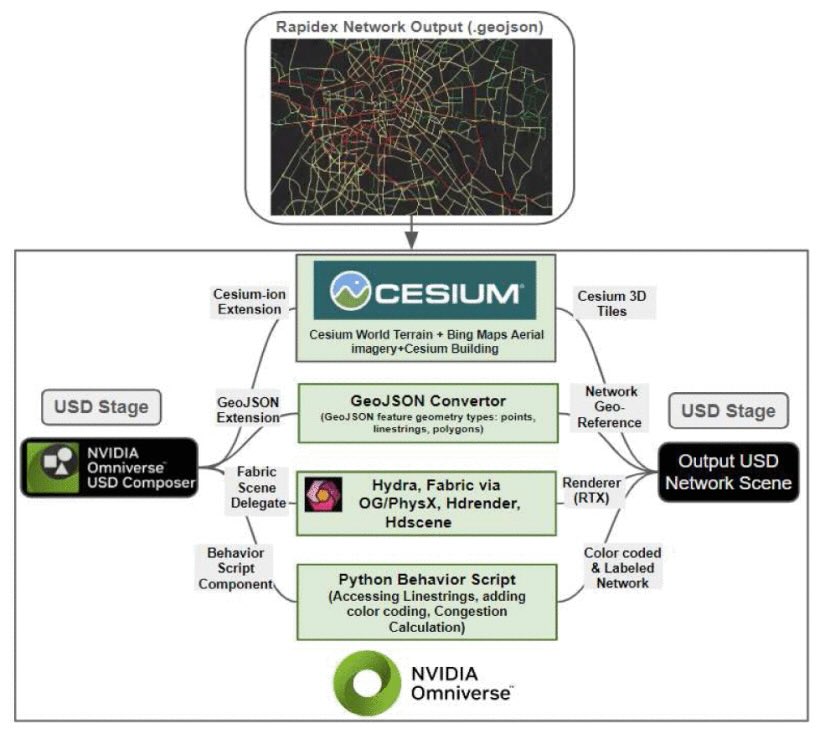 Building a Unified Transportation Digital Twin: Integrating Rapidex for Next-Gen 3D Traffic Modeling and Road Scene GenerationIn 2024 IEEE International Symposium on Emerging Metaverse (ISEMV), 2024


 Analysis of Wildfire Visualization Systems for Research and Training: Are They Up for the Challenge of the Current State of Wildfires?IEEE Transactions on Visualization and Computer Graphics, Feb 2023
 Virtual Reality for Emotion Elicitation – A ReviewIEEE Transactions on Affective Computing, Feb 2023


 Optimizing the optimizer for data driven deep neural networks and physics informed neural networksFeb 2022
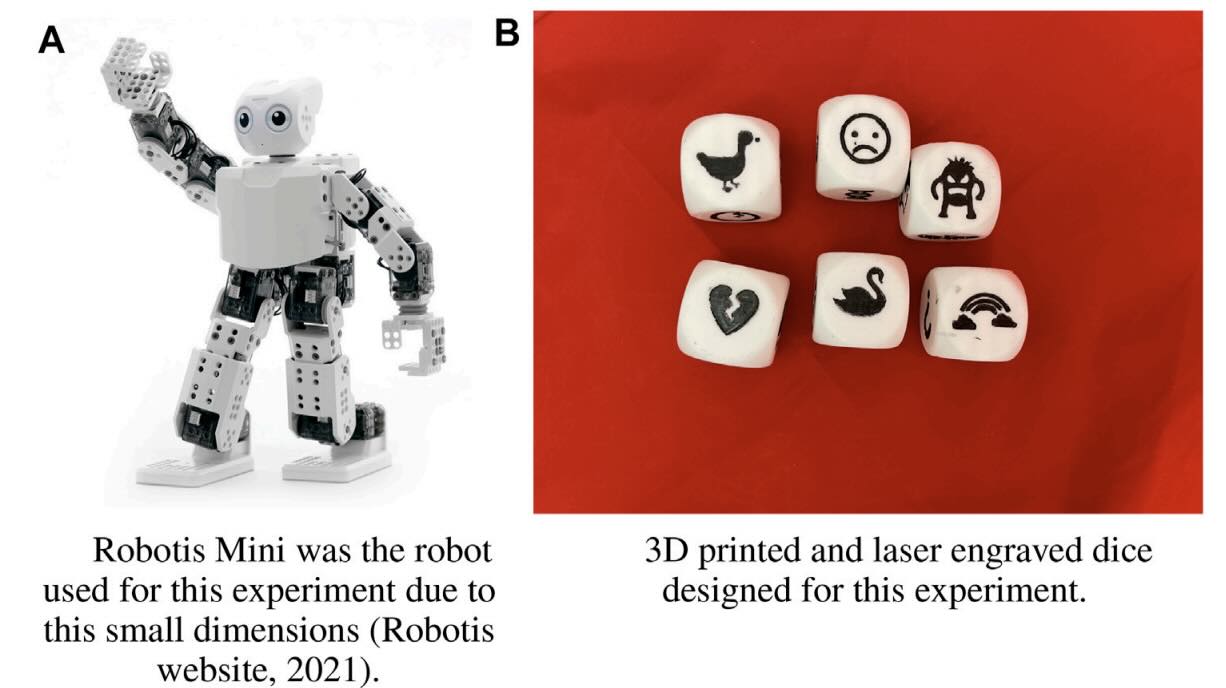 Human–robot creative interactions: Exploring creativity in artificial agents using a storytelling gameFrontiers in Robotics and AI, Jun 2022


 Mixed Reality and Internet of Things (MRIoT) Interface Design Guidelines for Elderly PeopleIn 2019 23rd International Conference in Information Visualization – Part II, Jun 2019
 HoloCity – exploring the use of augmented reality cityscapes for collaborative understanding of high-volume urban sensor dataIn Proceedings of the 17th ACM SIGGRAPH International Conference on Virtual-Reality Continuum and Its Applications in Industry, Brisbane, QLD, Australia, Jun 2019


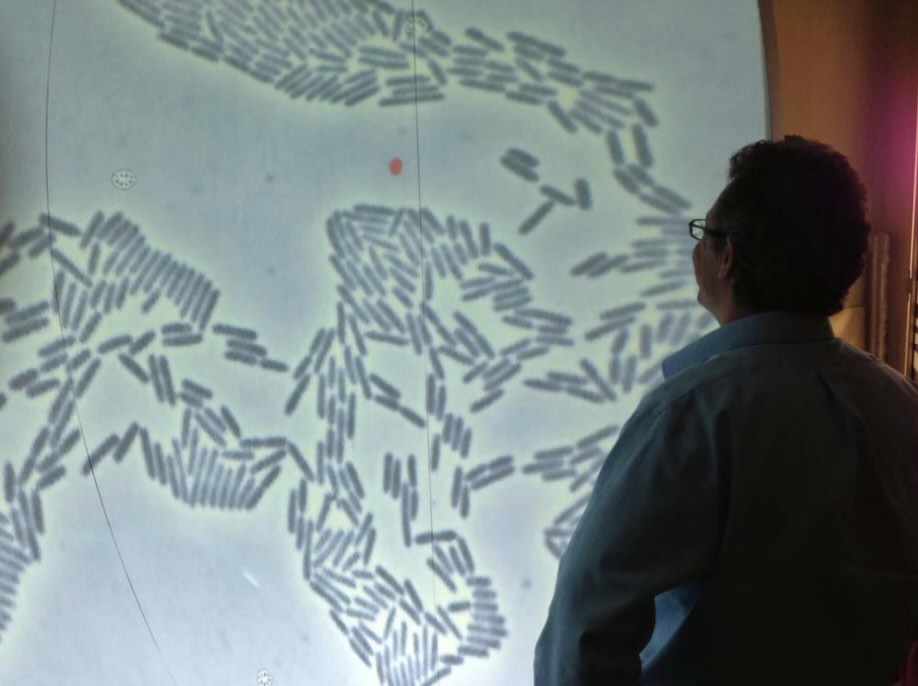 Affective and Effective Visualisation: Communicating Science to Non-expert UsersIn 2014 IEEE Pacific Visualization Symposium, Apr 2014
 Automating the quantification of membrane proteins under confocal microscopyIn 2012 9th IEEE International Symposium on Biomedical Imaging (ISBI), Apr 2012
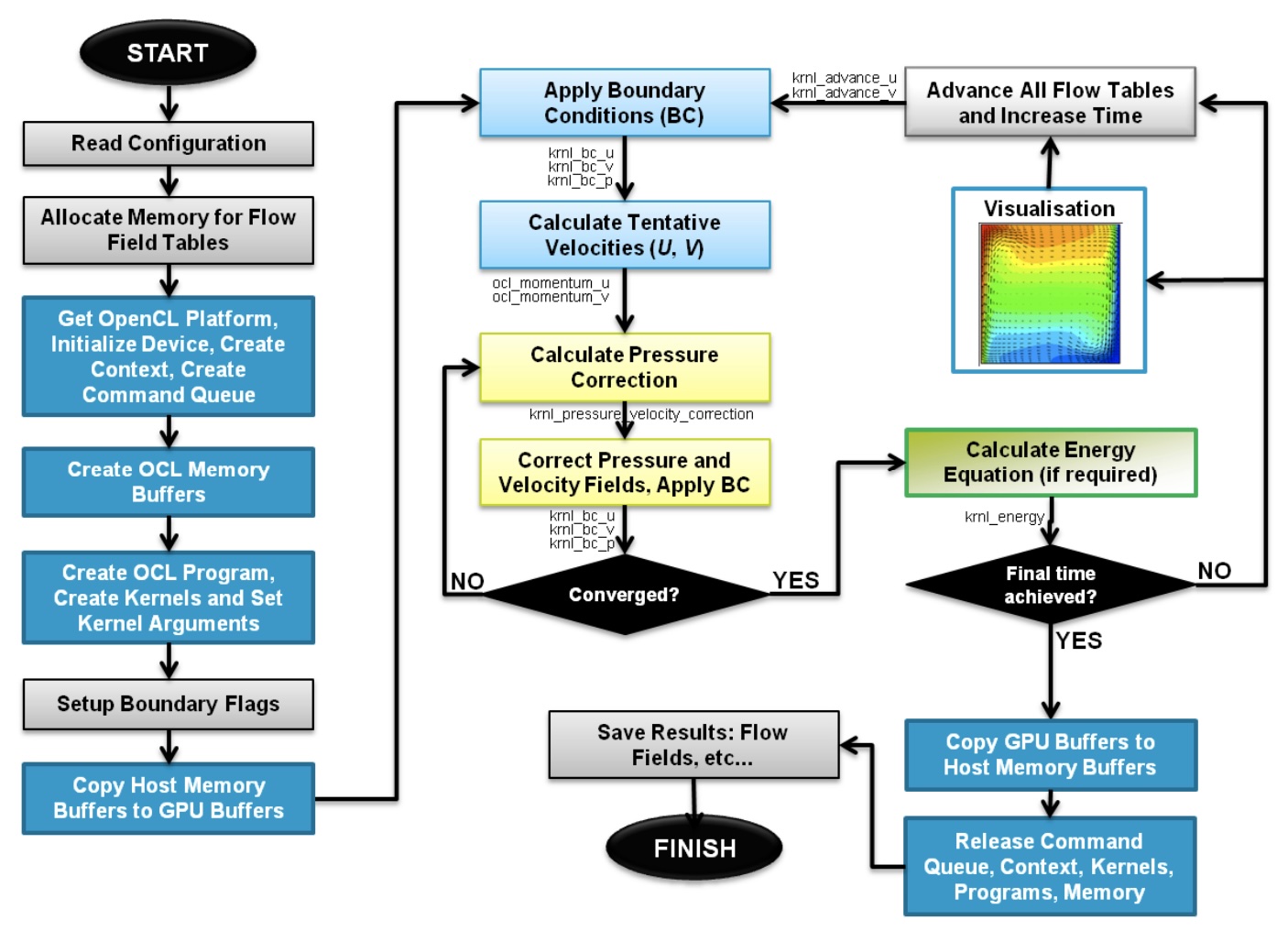 Applications of heterogeneous computing in computational and simulation scienceIn Proceedings - 2011 4th IEEE International Conference on Utility and Cloud Computing, UCC 2011, Apr 2011IEEE/ACM International Conference on Utility and Cloud Computing 2011, UCC 2011 ; Conference date: 05-12-2011 Through 08-12-2011

 Numerical Simulations in Fluid Dyanmics using GPU: a Practical IntroductionIn NVIDIA GPU Technology Conference GTC 2010, Sep 2010
 A numerical study of unsteady natural convection induced by iso-flux surface cooling in a reservoir modelInternational Journal of Heat and Mass Transfer, Sep 2009


 Experimental and numerical analyses of magnetic convection of paramagnetic fluid in a cube heated and cooled from opposing verticals wallsInternational Journal of Thermal Sciences, Sep 2005

